
Understanding the psychology behind gambling What drives the thrill
The Allure of Risk and Uncertainty
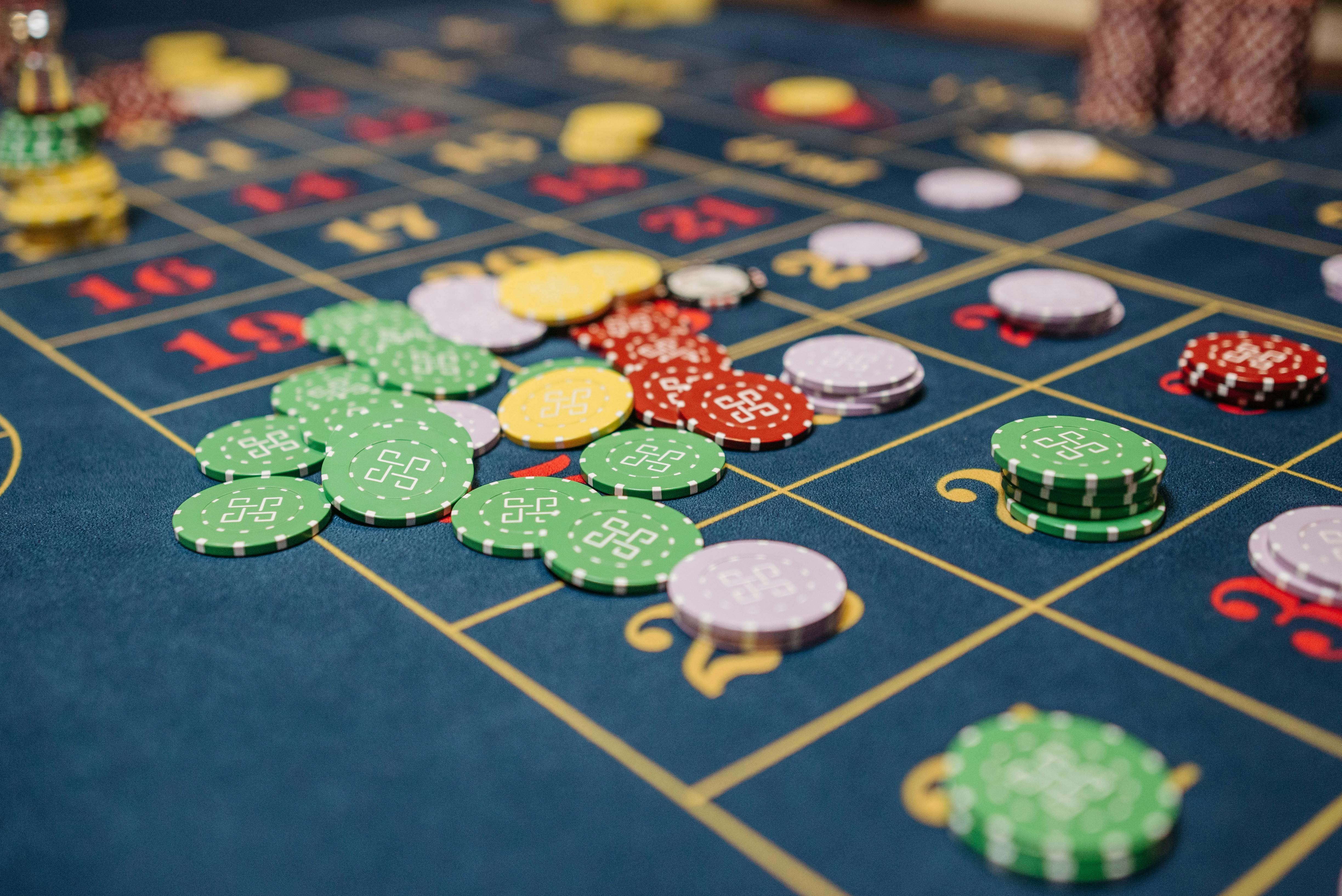
The thrill of gambling often stems from the inherent risk and uncertainty involved. Many people are drawn to the excitement of not knowing what the outcome will be, as this unpredictability can heighten emotional responses. The brain’s reward system activates when we take risks, releasing dopamine and creating feelings of pleasure. This biochemical reaction not only reinforces the behavior but also makes the experience addictive for some individuals. For those interested in responsible gambling tips, this source can provide valuable insights.

Moreover, the element of chance plays a significant role in the allure of gambling. The possibility of winning a jackpot or achieving a significant win can create a euphoric rush, driving players to chase that high. This phenomenon is similar to that of thrill-seekers engaging in extreme sports, where the uncertainty and potential for danger contribute to an exhilarating experience.
Emotional and Psychological Drivers
Gambling can also serve as an emotional escape for many individuals. People often turn to gambling as a way to cope with stress, anxiety, or feelings of inadequacy. In these instances, gambling becomes a form of distraction from everyday life, allowing individuals to momentarily forget their problems. The emotional high associated with gambling can provide temporary relief, leading to a cycle of seeking out that feeling again.
Furthermore, the social aspect of gambling can enhance its psychological appeal. For many, the thrill of gambling is not only about the potential financial gain but also about social interaction and community. Engaging with others in a shared activity can foster feelings of belonging and camaraderie, making the experience even more enticing.
The Role of Cognitive Biases
Cognitive biases significantly influence gambling behavior, often leading individuals to make irrational decisions. For example, the illusion of control can cause players to believe they can influence the outcome of games of chance, such as slot machines or card games. This cognitive distortion not only fuels the desire to continue gambling but also reinforces the belief that luck is on their side.
Additionally, gamblers may fall victim to the gambler’s fallacy, where they believe that past events can influence future outcomes. This belief can keep players engaged, as they often think they are “due” for a win. These biases can lead to continued participation, even when the odds are not in their favor, ultimately contributing to problematic gambling behavior.
Responsible Gambling and Its Importance
Understanding the psychology behind gambling emphasizes the importance of responsible gambling practices. Recognizing the triggers that drive the thrill can help individuals make more informed decisions about their gambling behavior. Setting limits on time and money spent can create a healthier relationship with gambling, allowing individuals to enjoy the thrill without falling into harmful patterns.
Moreover, education and awareness are crucial in promoting responsible gambling. Individuals should be encouraged to seek help if they notice signs of addiction or if gambling begins to negatively impact their lives. Resources and support systems can provide the necessary tools to navigate this complex landscape, ensuring that the excitement of gambling remains a fun activity rather than a detrimental habit.
Connecting through Kindexchange
Kindexchange is an online platform that fosters community engagement through seamless exchanges and transactions. The website offers a user-friendly environment where users can connect over shared interests, including the thrill of various activities, including gaming and gambling. By providing a secure space for collaboration, Kindexchange enhances user experience and supports responsible practices.
Through Kindexchange, individuals can engage with others who share their passion for gaming, while also accessing resources that promote safe and responsible gambling. This connection not only enriches the overall experience but also highlights the importance of community support in navigating the complexities of gambling behavior.
Write a comment