
Understanding the psychological triggers behind gambling behavior at pin up
The Allure of Risk: Thrill and Excitement
Gambling is often driven by the excitement associated with risk-taking. The thrill of placing a bet and the anticipation of a potential win creates a rush that many find irresistible. This adrenaline response can lead to repeated behavior, as the brain releases dopamine, reinforcing the connection between gambling and pleasure. The environment at pin up, with its bright lights and sounds, further amplifies this sensation, making it a space where individuals can escape from reality.

This thrill-seeking behavior often appeals to a wide range of individuals, from casual players to seasoned gamblers. For many, the act of gambling becomes a way to experience heightened emotions and escape mundane daily routines. The unpredictability of outcomes only adds to the allure, as players continuously chase the next big win, often overlooking the risks involved.
The Role of Cognitive Biases in Gambling
Cognitive biases significantly influence gambling behavior, leading players to make irrational decisions. One common bias is the illusion of control, where individuals believe they can influence outcomes, especially in games that involve skill. This belief often encourages players to engage more deeply, thinking they have a better chance than they actually do. At pin up, this can be observed in various games, where players feel empowered by their choices.
Another prevalent cognitive bias is the gambler’s fallacy, which involves the belief that past events can influence future outcomes. For instance, players might think that a slot machine is “due” for a win after a series of losses. This misconception can drive continued play, leading to increased spending in the hopes of recouping losses or achieving a win that seems overdue.
The Social Factors Influencing Gambling Behavior
Social interaction plays a crucial role in gambling, especially within environments like pin up. Many people enjoy the communal aspect of gambling, where the excitement of a win is shared among friends or fellow players. This social reinforcement can create a powerful motivation to gamble, as the atmosphere is often filled with cheers and celebrations, making it a communal experience.
Moreover, peer pressure can also influence gambling behavior. Individuals may feel compelled to participate due to friends or family members who engage in gambling, leading to a cycle of increased participation. This social context can normalize the behavior, making it seem more acceptable and exciting, thereby attracting newcomers to the gambling scene.
The Impact of Marketing and Promotions
Marketing strategies employed by platforms like pin up significantly shape gambling behavior. Promotions, bonuses, and rewards are designed to attract players and encourage them to gamble more. These incentives can create a sense of urgency or exclusivity, compelling individuals to take advantage of offers that seem too good to miss.
Furthermore, targeted advertising can be particularly effective in reaching potential gamblers. By appealing to emotions such as excitement or the desire for social acceptance, marketing campaigns can resonate deeply with individuals, increasing the likelihood of engagement. This strategic approach plays a vital role in the psychological triggers that drive gambling behavior.
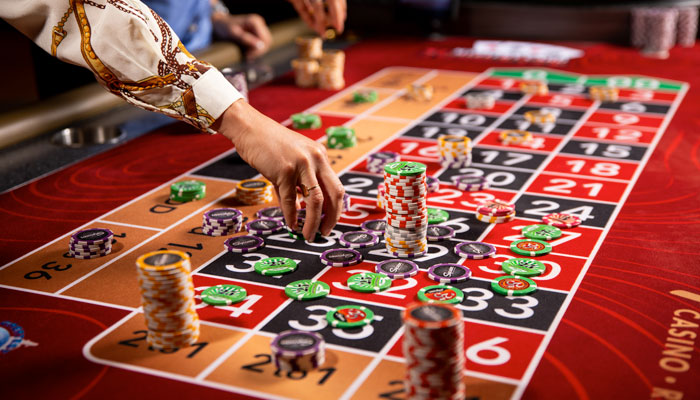
Exploring pin up: A Hub for Gamblers
Pin up serves as a vibrant platform for those drawn to the world of gambling. With a wide array of games and a thrilling atmosphere, it captures the attention of both new and seasoned players. The user-friendly interface and appealing design enhance the overall experience, making it a favorite destination for many.
Beyond just gaming, pin up focuses on creating an engaging environment that caters to the psychological aspects of gambling. By understanding the triggers that compel individuals to play, pin up continues to innovate and adapt, ensuring that it remains a prominent choice for players seeking excitement and community in their gambling experiences.
Write a comment